Safety Management
System
Safety Management System has four components in its framework which are often referred to as the Four Pillars of Safety Management System. Each component contains elements that describe specific needs for the successful implementation and maintenance of a safety management system.
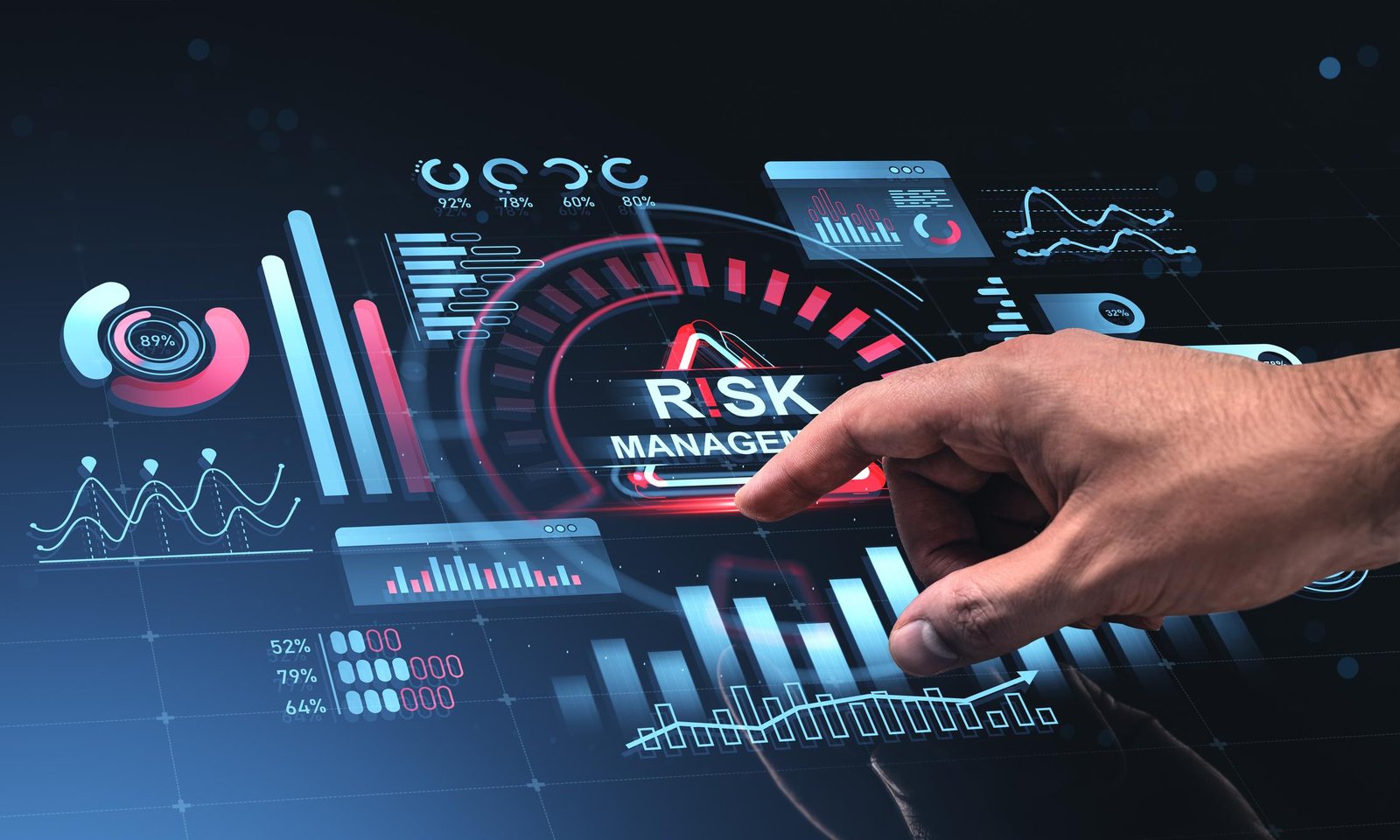
- Safety Policy and Objectives
- Safety Risk Management
- Safety Assurance
- Safety Promotion
Permit To Work
(e-PTW)
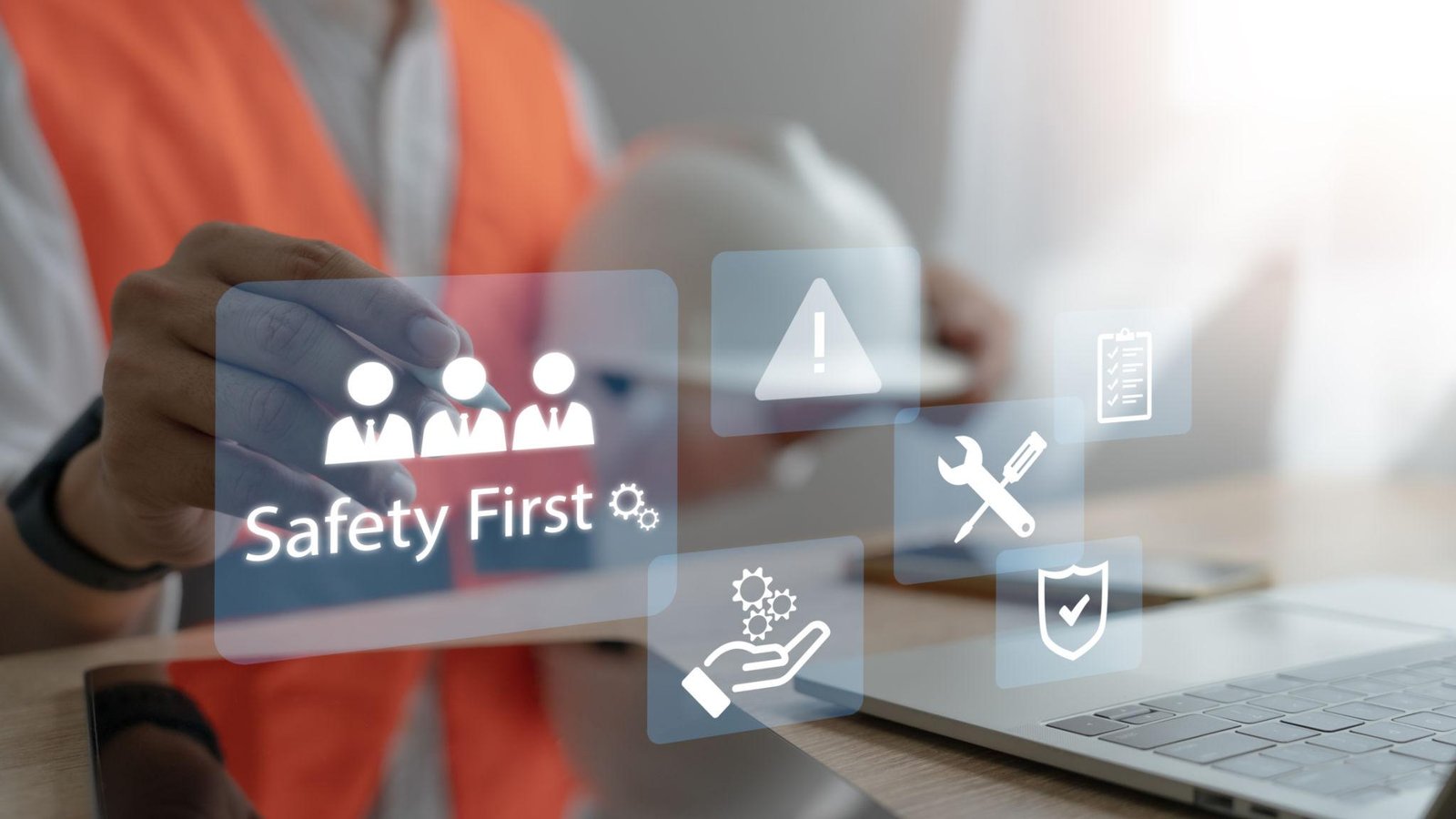
Permit to Work systems are an essential component of a safe work system and may assist in the management of work-related hazards that might cost lives, cause accidents, and need time-consuming facility repairs.
- Automatic Permit Number Generation
- Online Approval Mechanism
- Checklist
- User rights access and control
- Warning and alerts
- Real-time data and statistics review
- Offline mode
- e-signature enabled
- Accessible reports and records anytime
- Fully integrated e-PTW System
- Mobile Access
- Report generation in existing format
Toolbox
Meeting
Toolbox Talks are used by many organizations to facilitate successful consultation and communication. A toolbox meeting helps improve health and safety awareness at the workplace.
- Automatic Permit Number Generation
- Online Approval Mechanism
- Checklist
- User rights access and control
- Warning and alerts
- Real-time data and statistics review
- Offline mode
- e-signature enabled
- Accessible reports and records anytime
- Fully integrated e-PTW System
- Mobile Access
- Report generation in existing format

Safety Observations
Safety observation is a proactive strategy for preventing workplace accidents by recognizing possible risks and risky behaviours, as well as unsafe conditions and actions.
Build packaged forms or customize your own.
Gather data to stay ahead of safety incidents.
Intelligent workflows can help you improve your speed and efficiency.
Report observations online or offline using a mobile device.
Observation Reporting
in Real Time
With a mobile approach to observations, employees can record an observation on the spot rather than searching for a desktop at the end of the day.
- EHS Training Management
- Risk Management
- Audit Management
- Safety walk through
- Minutes of Meetings
Use standard observation forms with standardized categories like task accomplished, severity, communication style, and follow-up steps.
- Emergency Management
- Hazard Management
- Incident Management
- Inspection Management
- Workers Management