
01 What is Cybercrime?
Cybercrime is any criminal activity that involves a computer, networked device or a network. While most cybercrimes are carried out in order to generate profit for the cybercriminals, some cybercrimes are carried out against computers or devices directly to damage or disable them, while others use computers or networks to spread malware, illegal information, images or other materials.
A primary effect of cybercrime is financial. Cybercrime can include many different types of profit-driven criminal activity, including ransomware attacks, email and internet fraud, and identity fraud, as well as attempts to steal financial account, credit card or other payment card information. As many workers settle into remote work routines, cybercrimes are expected to grow in frequency in 2024 and beyond.
02 Types of Cybercrime
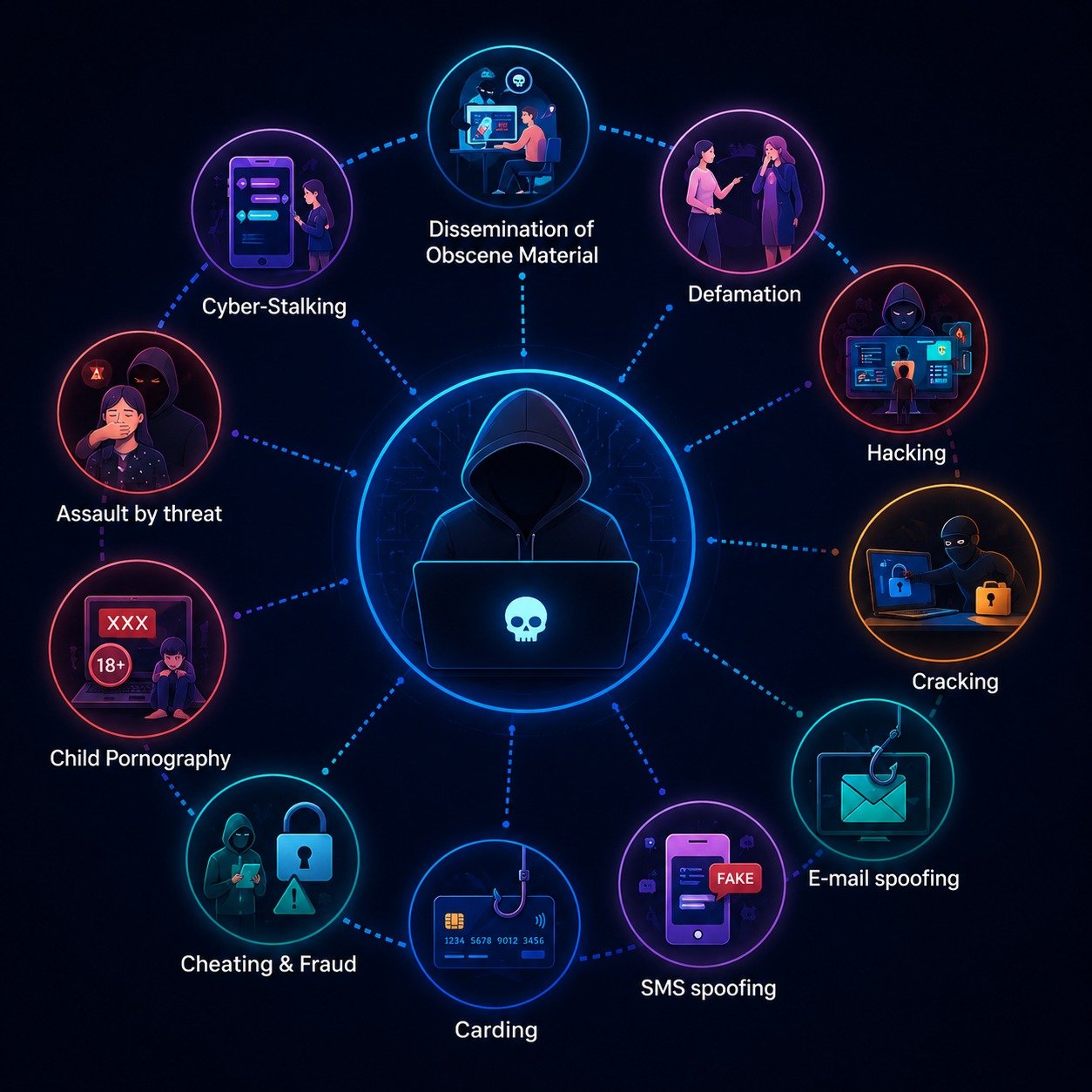
- Email and internet fraud.
- Identity fraud — where personal information is stolen and used.
- Theft of financial or card payment data.
- Theft and sale of corporate data.
- Cyberextortion — demanding money to prevent a threatened attack.
- Ransomware attacks — a type of cyberextortion.
- Cryptojacking — hackers mine cryptocurrency using resources they do not own.
- Cyberespionage — hackers access government or company data.
- Interfering with systems in a way that compromises a network.
- Infringing copyright.
- Illegal gambling.
- Selling illegal items online.
- Soliciting, producing, or possessing child pornography.
- Criminal activity targeting computers using viruses and other types of malware.
- Criminal activity using computers to commit other crimes.
- Cybercriminals may install malware to damage devices or prevent them from working.
- They may also use malware to delete or steal data, or stop a business providing a software service — a Denial-of-Service (DoS) attack.
03 Impact of Cybercrime
Cybercrime costs the global economy over $1 trillion annually, including direct financial losses, recovery costs, reputational damage, and lost productivity.
For individuals, cybercrime can result in financial loss, identity theft, and emotional distress. Victims may spend months or even years trying to recover their stolen identity or finances. For businesses, a successful cyberattack can lead to significant financial losses, damage to brand reputation, loss of customer trust, and potential legal liabilities.
Governments and critical infrastructure are also at risk. Cyberattacks on government systems can compromise national security, disrupt public services, and expose sensitive citizen data. Attacks on critical infrastructure such as power grids, water systems, and financial networks can have devastating consequences for entire populations.
04 How to Secure Your Data

Given the prevalence of cybercrime, you might be wondering how you can best protect yourself. Here are some sensible tips to help protect yourself and your data:
Keep Software Updated
Keeping your software and operating system up to date ensures you benefit from the latest security patches. Enable automatic updates wherever possible.
Use Anti-Virus Software
A comprehensive internet security solution allows you to scan, detect and remove threats before they become a problem. Keep it updated for best protection.
Use Strong Passwords
Use strong passwords of at least 12 characters with a mix of letters, numbers, and symbols. Use a reputable password manager and never reuse passwords.
Avoid Spam Links
Never click links in spam emails or unfamiliar websites. Fraudsters craft fake websites and phishing emails that appear to be from legitimate companies.
Protect Personal Data
Never give out personal data over the phone or via email unless you are completely sure the line or email is secure.
Check URLs Carefully
Always look for HTTPS and a padlock icon before entering sensitive information. Avoid clicking URLs with unfamiliar or spammy-looking domain names.
05 Best Cybersecurity Practices in 2024
- Enable Multi-Factor Authentication (MFA) — Add an extra layer of security to all your accounts beyond just a password.
- Regular Data Backups — Back up important data regularly to an offline or cloud location to recover from ransomware attacks.
- Use a VPN on Public Wi-Fi — A Virtual Private Network encrypts your internet connection, protecting your data on public networks.
- Monitor Your Accounts — Regularly review bank statements and credit reports for any unauthorized activity.
- Educate Your Team — For businesses, regular cybersecurity training for employees is one of the most effective defenses against social engineering attacks.
- Implement Zero-Trust Security — Never trust, always verify. Limit access privileges to only what is necessary for each user or system.
06 Final Thoughts
Cybercrime is a growing and evolving threat that affects individuals, businesses, and governments alike. The best defense is a combination of awareness, good digital hygiene, and the right security tools. By staying informed and following the best practices outlined in this guide, you can significantly reduce your risk of becoming a victim.
"The only truly secure system is one that is powered off, cast in a block of concrete and sealed in a lead-lined room with armed guards." — Gene Spafford
At AthenaS Business Solutions, we help businesses build robust cybersecurity frameworks to protect their data and operations. Get in touch with our team to learn how we can help secure your business.
AthenaS Reader
September 06, 2024Very informative article! The tips on keeping software updated and using strong passwords are especially helpful. Cybercrime is a growing threat and awareness like this is crucial for everyone.