
Solar Energy: The Radiant Path to
Sustainable Power Solutions 2024
01 Introduction
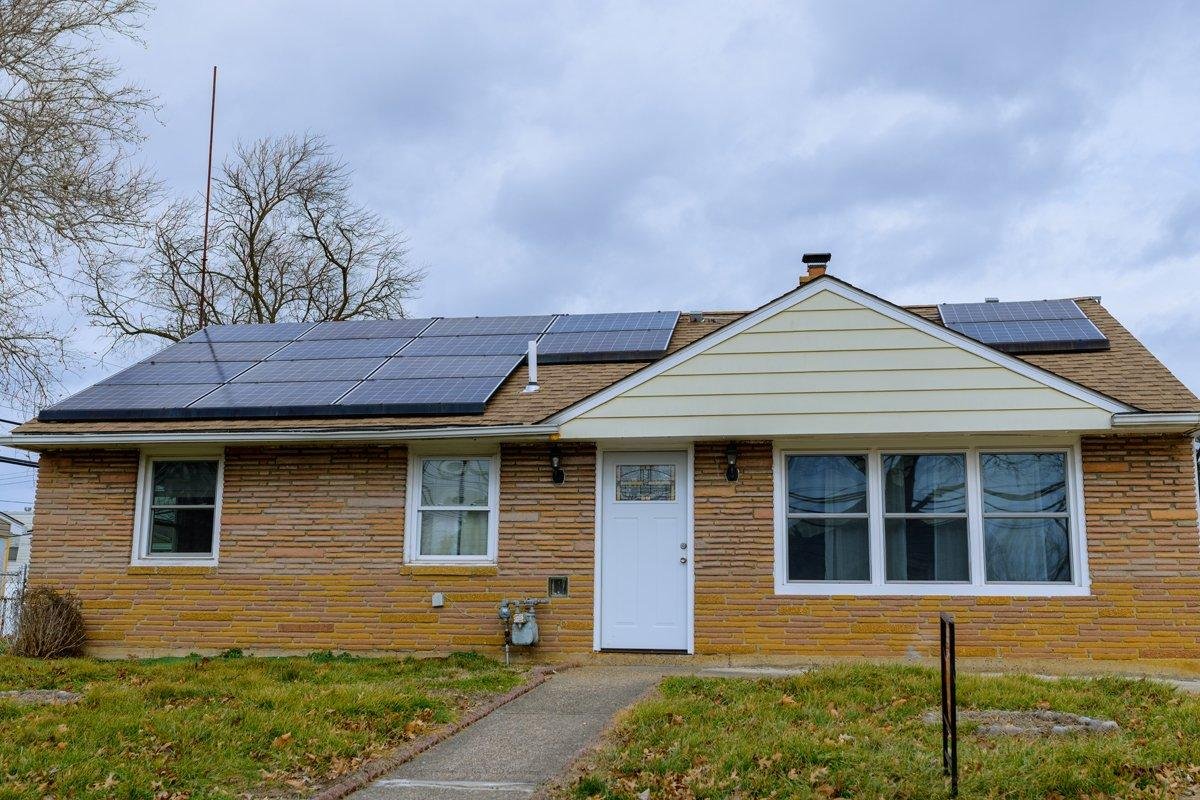
Solar energy is the sunlight that has been converted into electrical or thermal energy. The most frequent and cleanest renewable energy source is solar energy. One of the most exciting renewable energy sources on the market right now is solar power. Solar energy works directly with heat from the sun, so it produces electricity and thermal energy without burning fuel.
Solar energy continues to expand because it is practical, flexible, and increasingly affordable. It can support homes, commercial buildings, farms, factories, and large solar parks while reducing dependence on fossil fuels.
Solar energy costs have fallen by more than 90% since 2010, making it the cheapest source of new electricity generation in history according to the International Energy Agency.
02 How is Solar Energy Generated?
Solar energy is used in various ways to generate electricity, provide heating, and power devices. Solar panels are the primary way solar energy is collected.
- Photovoltaic Cells — The PV cells in solar panels convert direct sunlight into electricity through the photovoltaic effect.
- Solar Water Heaters — Solar collectors pick up heat from the sun and transfer it to water stored in tanks for home or industrial use.
- Solar Devices — Radios, calculators, and chargers are kept running by built-in or external solar panels.
- Solar Thermal Applications — Solar ponds, cookers, and furnaces use solar heat directly for useful work.
- Wide Deployment — Every PV system or solar thermal application can be used in a wide range of locations globally.
03 The Largest Producers of Solar Power Worldwide
The largest producers of solar power include China, the United States, Japan, Germany, and India. Their growth shows how solar energy has moved from an experimental option to a major power source used across the world.
| Rank | Country | Solar Energy Production | Largest Solar Power Plant |
|---|---|---|---|
| 1 | China | 250 GW | Tengger Desert Solar Park |
| 2 | United States | 80 GW | Solar Star |
| 3 | Japan | 70 GW | Setouchi Kirei Solar Plant |
| 4 | Germany | 50 GW | Lieberose Solar Park |
| 5 | India | 40 GW | Bhadla Solar Park |
| 6 | Italy | 20 GW | Montalto di Castro Solar Park |
| 7 | Australia | 15 GW | Sunraysia Solar Farm |
| 8 | United Kingdom | 13 GW | Cleve Hill Solar Park |
| 9 | South Korea | 12 GW | Shinan Solar Power Plant |
| 10 | France | 10 GW | Cestas Solar Park |
04 How Solar Energy Works
Before sunlight can be collected and transformed into electricity, it must travel about 93 million miles before reaching Earth. Solar panels absorb photons from sunlight and create an electrical current inside photovoltaic cells. An inverter then converts that direct current into alternating current that can be used by homes and businesses.
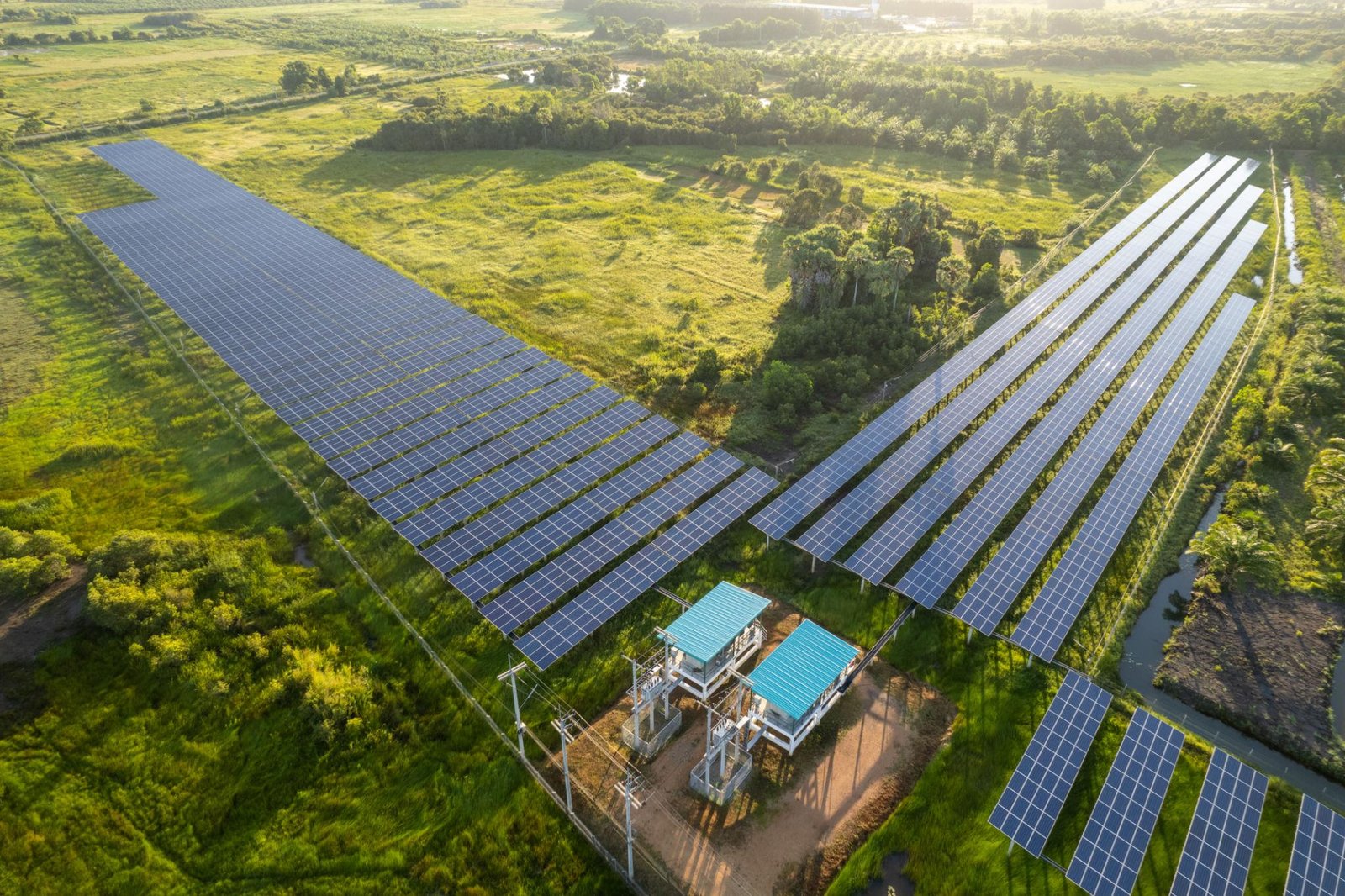
Solar panels produce a direct current, which may be passed to an inverter to create alternating current. This energy can be used immediately, sent to the grid, or stored in batteries for later use.
05 Advantages & Disadvantages of Solar Energy
Like any energy technology, solar power comes with clear strengths and limitations worth understanding before investing.
Advantages
Renewable & reduces carbon emissions. Lowers electricity bills. Earns solar renewable energy credits. Low maintenance costs. Generates electricity in any climate.
Disadvantages
High initial installation costs. Solar energy storage is expensive. Does not work the same way at night. Panels are dependent on sunlight availability.
06 Is the Cost of Solar Energy Justified?
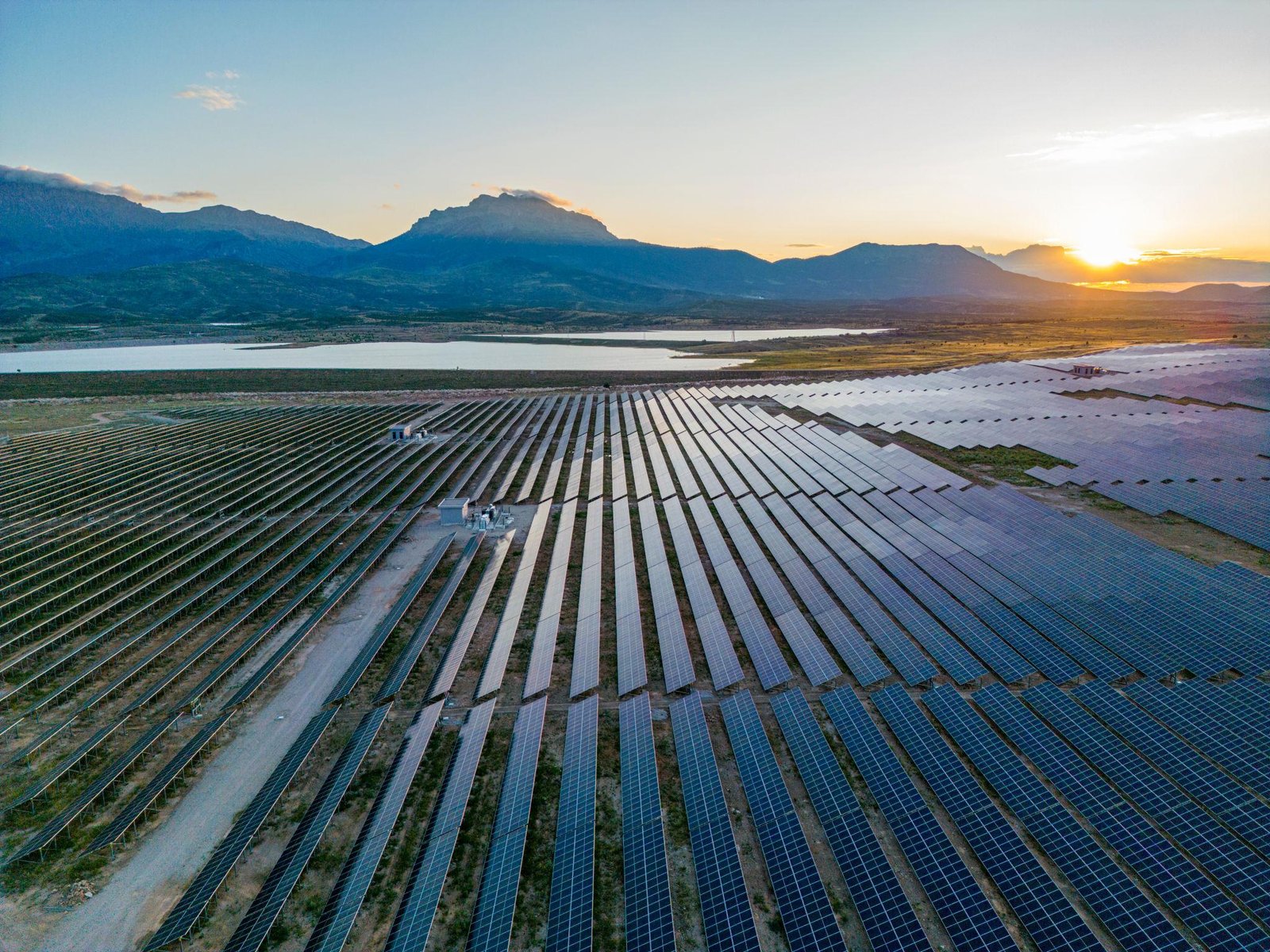
Solar energy is economical, but the value depends on the installation, location, local electricity prices, and available incentives. A number of elements such as roof condition, household consumption, and financing method determine whether solar is the right investment.
Solar panels have the ability to completely eliminate or significantly decrease electricity bills if installed, sized, and maintained correctly. In many cases, the system pays back its cost over time through savings and energy independence.
07 Do Solar Panels Make Sense for You?
Whether solar panels are worth it for you will rely on a number of factors. Here is a structured roadmap to evaluate your situation:
Local Climate & Environment
Assess average sunlight hours in your region. Sunnier locations generate more electricity and achieve faster payback periods.
Roof Shade & Size
A south-facing roof with strong sunlight and limited shade is usually a good candidate. Roof size determines how many panels can be installed.
Available Solar Subsidies
Check local government incentives, tax credits, and net metering policies in your area — these can significantly reduce upfront costs.
Household Energy Consumption
Homes with high daytime energy use often benefit strongly because solar production aligns well with consumption patterns.
08 Energy Consumption
It is a good idea to evaluate your monthly energy use ahead of installing solar. The Energy Information Administration reports that the average household uses hundreds of kilowatt-hours of electricity per month, but exact consumption depends on appliances, climate, family size, and lifestyle.
Changing to solar energy may cover part or all of a household's electricity demand. Understanding consumption helps homeowners choose the right solar system size and avoid overspending.
A single 400-watt solar panel costs approximately $400–$600 before installation. A full home system includes panels, inverter, mounting, wiring, permits, labour, and optionally battery storage.
09 Conclusion
Solar energy is a clean, renewable, and ever-more practical source of power that helps alleviate the global crisis in energy use and climate change. With technological innovations making it more accessible and cheaper, it has gained credibility as an alternative source of power in large-scale production and even personal applications.
The switch to solar energy is not only an environmental imperative, but also offers an opportunity for sustainable growth and energy security. Solar will only continue to grow as homes, businesses, and governments seek dependable renewable energy solutions.
"Solar energy is not just a power source — it is a commitment to a cleaner, more resilient future for generations to come."
At AthenaS Business Solutions, we help businesses and communities understand and adopt sustainable energy strategies. Get in touch with our team to explore how solar energy can work for you.
Pingback
September 2024Wind : You Need to Know the Wind Energy Innovations & Benefits – 2024